
Introduction
White lions are among the most fascinating big cats in the world. Their striking pale coats make them look completely different from the golden-colored lions commonly seen in Africa. Although they have a rare appearance, they are not a separate species of lion.
These remarkable animals are African lions with a genetic condition that causes unusually light-colored fur. Their unique appearance has attracted attention from wildlife researchers, conservationists, photographers, and animal lovers around the world.
But how do these lions get their unusual color? Where do they live? Can they survive in the wild? And are they actually albino?
Let’s explore the answers and learn more about these incredible big cats.
What Are White Lions?
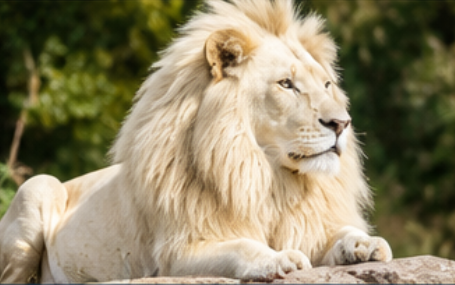
A white lion is an African lion with a very light cream, off-white, or almost white coat. Their eyes and skin usually contain normal pigmentation, which means they are not true albinos.
Their unusual appearance is associated with a recessive genetic trait that affects pigmentation. Two lions carrying the relevant genetic variation can produce a cub with a much lighter coat.
The condition is sometimes described as leucism, a reduction in pigmentation that can affect the color of an animal’s fur.
Despite their unusual appearance, they remain lions and share the same basic anatomy, behavior, diet, and social structure as other African lions.
What Do White Lions Look Like?
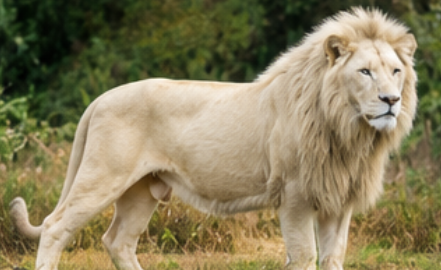
Their most obvious feature is their pale coat. Depending on the individual, the fur can range from creamy white to a light golden color.
Other characteristics can include:
- Pale cream or white fur
- Dark or normally pigmented eyes
- A large muscular body
- Powerful legs and paws
- A long tail
- Rounded ears
- A prominent mane in adult males
Male individuals can develop a mane just like other lions. The color of the mane can vary from pale cream to darker shades.
Their appearance can be especially striking when they are standing in sunlight or surrounded by green vegetation.
Are White Lions Albino?
No. A common misconception is that every lion with white fur must be albino.
Albinism is associated with a significant lack of melanin and can affect the pigmentation of the eyes, skin, and hair. These pale-colored lions generally retain pigmentation in their eyes and skin.
Their light coat is instead associated with a genetic form of reduced pigmentation.
This distinction is important because white coat color and albinism are not the same thing.
Where Do White Lions Live?
Historically, pale-colored lions have been associated particularly with the Timbavati region of South Africa.
Today, individuals can be found in different settings, including wildlife reserves, conservation areas, and managed environments. Some are also kept in zoos or private facilities.
In the wild, their survival depends on the same basic factors required by other lions:
- Access to prey
- Reliable water
- Suitable habitat
- Protection from threats
- A stable social group
Their unusual color does not give them a different natural habitat from other African lions.
Can White Lions Survive in the Wild?
Yes, they can survive in the wild.
Their pale appearance does not automatically prevent them from hunting, communicating, reproducing, or living as part of a pride.
However, their lighter coat may make them more noticeable in some environments, particularly when they are young. Camouflage can be important for predators, especially when stalking prey or hiding cubs.
Survival ultimately depends on many factors, including hunting ability, experience, social support, prey availability, habitat conditions, and human activity.
What Do They Eat?
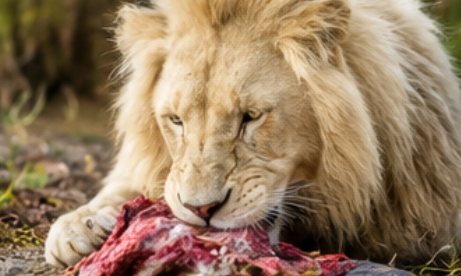
Like other African lions, they are carnivores.
Their diet can include a variety of large and medium-sized animals depending on what is available in their habitat. Common prey for African lions includes:
- Antelope
- Zebra
- Wildebeest
- Buffalo
- Warthogs
- Other suitable mammals
Lions often hunt cooperatively, especially when targeting larger prey.
A successful hunt can provide a pride with a substantial meal, after which the animals may rest for long periods while digesting their food.
How Do They Hunt?
Lions are powerful predators, but they do not rely only on speed.
They can use stealth, teamwork, patience, and their powerful bodies to bring down prey. Lionesses frequently play an important role in group hunting.
A typical hunt may involve approaching prey carefully before making a short and powerful attack. Several lions can work together to increase their chances of success.
The hunting behavior of pale-coated lions is generally similar to that of other African lions.
White Lions and Their Social Behavior
Lions are highly social big cats. Unlike many other large cat species that usually live alone, lions commonly live in groups known as prides.
A pride can include adult females, their cubs, and one or more adult males.
Members of a pride may:
- Rest together
- Groom one another
- Protect their territory
- Raise cubs
- Hunt together
- Communicate through sounds and body language
A pale coat does not change the basic social nature of these animals.
White Lion Cubs
Lion cubs are born small, vulnerable, and dependent on their mothers.
Young cubs spend their early weeks hiding and gradually become stronger and more active. The mother provides milk and protection while the cubs develop the skills they need for life.
As they grow, cubs begin exploring their surroundings and watching older members of the pride. This helps them learn important behaviors such as communication, movement, and eventually hunting.
The survival of young lions can be challenging because they may face predators, disease, competition, food shortages, and other dangers.
Do Two White Lions Always Produce White Cubs?
No.
The genetic trait responsible for the pale appearance is recessive. This means that inheritance is more complicated than simply having two pale-colored parents.
The appearance of a cub depends on the genetic combinations inherited from its parents.
This is one reason why breeding programs involving unusually colored animals need to be managed carefully and responsibly.
Are White Lions Rare?
Yes, naturally occurring individuals are rare.
Their unusual appearance is associated with a recessive genetic trait, so pale-colored cubs are much less common than normally colored lions.
Because of their rarity and distinctive appearance, they have also become popular attractions in some wildlife facilities. This has created an important conservation discussion about responsible breeding and the welfare of animals with unusual traits.
Why Are They Important to Conservation?
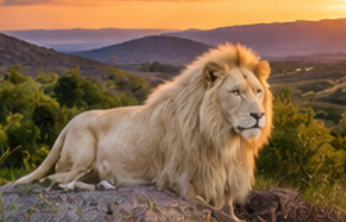
The conservation of these animals is closely connected to the conservation of African lions as a whole.
African lions face several threats, including:
- Habitat loss
- Declining prey populations
- Human-wildlife conflict
- Illegal hunting
- Disease
- Loss of suitable territory
Protecting lions requires protecting the ecosystems where they live.
Conservation efforts can include habitat protection, wildlife monitoring, responsible tourism, community programs, and efforts to reduce conflict between people and predators.
White Lions in Wildlife Reserves
Wildlife reserves can provide protected environments where lions have access to suitable habitat and prey.
However, not every facility that keeps unusually colored lions contributes to conservation. Responsible wildlife management should prioritize animal welfare, genetic health, natural behavior, and long-term conservation goals.
Visitors should also choose ethical wildlife experiences that respect animals rather than treating rare-looking animals simply as attractions.
Interesting Facts About White Lions
Here are some interesting facts about these unusual big cats:
- They are not a separate lion species.
- Their pale appearance is linked to a recessive genetic trait.
- They are generally not true albinos.
- They can live and hunt like other African lions.
- Their unusual coat can make them highly noticeable in some habitats.
- Adult males can develop a mane.
- They can live in social groups called prides.
- Cubs depend heavily on their mothers during their early development.
- Their conservation is connected to the broader conservation of African lions.
- Their unusual appearance has made them especially popular with wildlife enthusiasts.
White Lions vs. Normal-Colored Lions
Although their appearance is dramatically different, there are many similarities between pale-colored lions and other African lions.
| Feature | White Lions | Other African Lions |
|---|---|---|
| Species | African lion | African lion |
| Diet | Carnivorous | Carnivorous |
| Social behavior | Live in prides | Live in prides |
| Hunting | Cooperative and individual hunting | Cooperative and individual hunting |
| Coat | Very pale or cream | Usually golden, tawny, or brown |
| Male mane | Yes | Yes |
| Habitat | Suitable African lion habitat | Suitable African lion habitat |
The biggest visible difference is their coat color, not their fundamental identity as lions.
How Can We Help Protect Lions?
Protecting lions requires more than protecting individual animals.
People can support conservation by learning about wildlife, choosing responsible tourism, supporting reputable conservation organizations, and helping raise awareness about habitat protection.
Healthy ecosystems benefit not only lions but also the many species that share their environment.
You can also explore more animal information through our [Mammals] section and learn about other fascinating species on Animals School.
Frequently Asked Questions
Are white lions a different species?
No. They are African lions with an unusual pale coat caused by a genetic pigmentation trait.
Are white lions albino?
Generally, no. Their pale coloration is different from true albinism and is associated with reduced pigmentation.
Where are they found?
They have historically been associated with South Africa’s Timbavati region, although individuals can also be found in other wildlife and managed environments.
What do they eat?
They eat meat and can prey on animals such as antelope, zebra, wildebeest, buffalo, and other mammals depending on their environment.
Can they survive in the wild?
Yes. Their unusual coat does not prevent them from hunting, reproducing, or living in a pride. However, survival depends on the same environmental and ecological factors affecting other lions.
Are white lions endangered because they are white?
Their unusual coloration itself is not the main conservation issue. The broader challenges facing African lions include habitat loss, prey decline, human-wildlife conflict, and other pressures.
Final Thoughts
White lions are a remarkable example of how genetic variation can create unusual appearances in wildlife. Their pale coats make them visually extraordinary, but underneath that appearance they are still African lions with the same basic needs, social behavior, and ecological role.
Learning about these animals also reminds us that protecting wildlife means protecting entire habitats and ecosystems. By supporting responsible conservation and respecting wild animals, we can help ensure that future generations have the opportunity to learn about and appreciate these incredible big cats.