
Tiger facts reveal why tigers are one of the most fascinating wild animals on Earth. Known for their powerful bodies, beautiful striped coats, and incredible hunting abilities, tigers are the largest members of the cat family. They are found mainly in parts of Asia and live in a variety of habitats, including forests, grasslands, wetlands, and mangrove areas.
In this article, you will discover 25 amazing tiger facts, including information about their size, diet, habitat, behavior, hunting skills, and unique characteristics.
25 Amazing Tiger Facts
1. Tigers Are the Largest Cats in the World
Tigers are the largest living members of the cat family. Adult males can be much larger and heavier than most other big cats, including lions and leopards.
2. Every Tiger Has a Unique Stripe Pattern
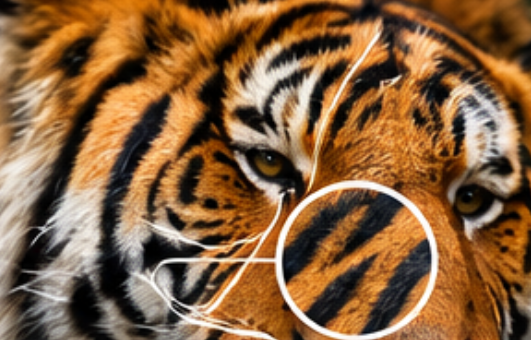
A tiger’s stripes are like fingerprints because no two tigers have exactly the same pattern. Their striped coats help researchers identify individual animals.
3. Tigers Have Stripes on Their Skin Too
A surprising tiger fact is that their stripes are not only found on their fur. The skin underneath a tiger’s coat also has a similar striped pattern.
4. Tigers Are Excellent Swimmers
Unlike many domestic cats, tigers usually enjoy water. They are strong swimmers and can cross rivers and swim considerable distances when necessary.
5. Tigers Are Carnivores
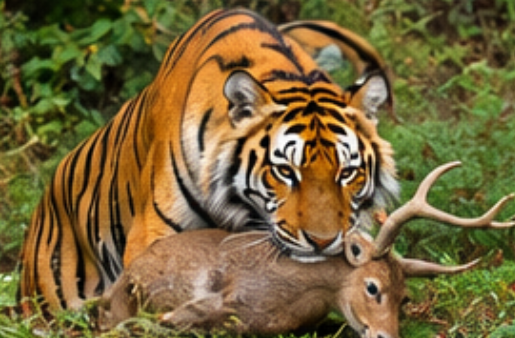
Tigers are carnivores, which means they mainly eat other animals. Their diet can include deer, wild pigs, buffalo, and other suitable prey depending on their habitat.
6. Tigers Usually Hunt Alone
Most adult tigers are solitary animals. They normally hunt alone rather than in groups, using stealth and patience to get close to their prey.
7. Tigers Are Mostly Active at Night
Tigers can be active during the day, but they often become more active around dusk, at night, and during the early morning. Their excellent night vision helps them move and hunt in low light.
8. Tigers Have Powerful Jaws

Tigers have strong jaws and large canine teeth that help them catch and kill prey. Their powerful bite is an important part of their hunting ability.
9. Tigers Have Sharp Retractable Claws
A tiger’s claws can retract into its paws when they are not being used. This helps keep the claws sharp and allows tigers to use them effectively when climbing, defending themselves, or catching prey.
10. Tigers Can Run Very Fast
Tigers are powerful and fast predators. They can reach high speeds over short distances, especially when chasing prey.
11. Tigers Use Their Stripes for Camouflage
A tiger’s orange, black, and white coat may look bright to humans, but its stripes help break up the animal’s outline in vegetation and forest environments.
12. Tigers Have Excellent Hearing
Tigers have sensitive hearing that helps them detect sounds from their surroundings. Their hearing is especially useful when moving through dense vegetation or hunting.
13. Tigers Have Good Night Vision
Tigers have eyes adapted for seeing in low-light conditions. This gives them an advantage when they are active during the night.
14. Tigers Mark Their Territory
Tigers are territorial animals. They use scent markings, scratches, vocalizations, and other signs to communicate with other tigers and establish their presence in an area.
15. Tigers Can Roar
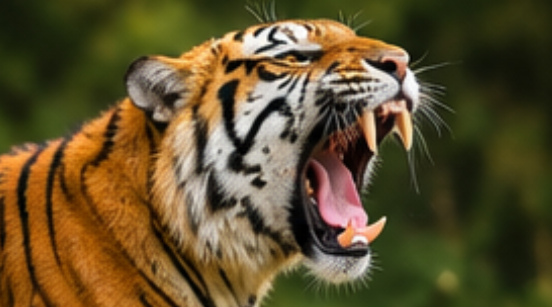
Tigers can produce powerful vocalizations, including roars. They also communicate through growls, chuffs, hisses, and other sounds.
16. Tigers Are Found in Different Habitats
Tigers can live in a wide range of environments. Depending on the subspecies and region, they may be found in forests, grasslands, wetlands, mountains, and mangrove habitats.
17. Tigers Are Native to Asia
Wild tigers are native to Asia. Historically, they occupied a much larger area, but their range has declined significantly because of habitat loss, hunting, and other human pressures.
18. There Are Six Living Tiger Subspecies
Scientists generally recognize six living tiger subspecies: Bengal, Indochinese, Malayan, Siberian, South China, and Sumatran tigers. Some scientific classifications use different taxonomic systems, but these six are commonly recognized.
19. Bengal Tigers Are Found in South Asia
Bengal tigers are primarily found in India and Bangladesh, with smaller populations in Nepal and Bhutan. They are one of the most well-known tiger populations in the world.
20. Tigers Can Have Different Coat Colors
Most tigers have an orange coat with black stripes and a white underside. Rare color variations, such as white tigers, can occur because of genetic differences.
21. Tiger Cubs Are Born Blind
Newborn tiger cubs are extremely vulnerable. They are born with their eyes closed and depend completely on their mother during their early weeks of life.
22. Tiger Mothers Raise Their Cubs Alone
Female tigers usually care for their cubs without the help of the father. The mother protects, feeds, and teaches her cubs important survival skills.
23. Tigers Are Important to Their Ecosystems
As apex predators, tigers help regulate populations of other animals. Their presence can contribute to maintaining balance within the ecosystems where they live.
24. Tigers Are Endangered
Tigers face serious threats in the wild, including habitat loss, illegal wildlife trade, poaching, and conflicts with humans. Learn more about tiger conservation and the threats facing wild tigers. Conservation programs are important for protecting remaining wild tiger populations.
25. Tigers Have an Important Role in Nature
Tigers are more than powerful predators. Protecting them also helps protect forests, wetlands, grasslands, and the many other species that share their habitats.
What Do Tigers Eat?
Tigers are carnivorous predators that mainly eat meat. Their prey depends on where they live and what animals are available.
Common tiger prey can include:
- Deer
- Wild pigs
- Buffalo
- Antelope
- Other medium and large mammals
Tigers usually rely on stealth rather than chasing prey over long distances. They try to get close before making a short and powerful attack.
Where Do Tigers Live?
Wild tigers live in different parts of Asia. Their habitats can range from tropical forests and grasslands to wetlands, mountains, and mangrove forests.
Today, wild tiger populations are found in countries including India, Bangladesh, Nepal, Bhutan, Russia, Malaysia, Indonesia, and several other parts of Asia.
How Do Tigers Hunt?
Tigers are skilled ambush predators. They use their striped coats as camouflage and move quietly through vegetation.
A tiger may spend considerable time watching and approaching its prey before launching a short attack. Its strong legs, sharp claws, powerful jaws, and large canine teeth make it a highly effective predator.
Are Tigers Social Animals?
Tigers are generally solitary animals. Adult tigers usually live and hunt alone, although mothers stay with their cubs while raising them.
Tigers communicate with each other through sounds, scent markings, body language, and markings left on trees or the ground.
How Long Do Tigers Live?
The lifespan of a tiger depends on several factors, including habitat, food availability, disease, and human threats. Tigers living in protected conditions can often live longer than wild tigers.
In the wild, survival can be challenging because tigers face competition, injuries, habitat loss, and other dangers.
Why Are Tigers Important?
Tiger Facts play an important role as top predators in their ecosystems. By hunting other animals, they help influence prey populations and contribute to the balance of natural habitats. Learn more about tiger diet and hunting behavior.
Protecting tigers also means protecting the environments where they live. Healthy tiger habitats can support many other plants and animals as well.
How Can We Help Protect Tigers?
People and conservation organizations work to protect tigers by preserving their habitats, preventing poaching, reducing illegal wildlife trade, and supporting local communities.
Protecting large areas of connected habitat is especially important because tigers need enough space to find food, reproduce, and survive.
Frequently Asked Questions About Tiger Facts
How big can a tiger get?
Tigers can become very large, with adult males generally being larger than females. Their exact size varies depending on their subspecies, sex, and individual.
What is a tiger’s favorite food?
Tigers do not have one specific favorite food. They mainly hunt animals that are available in their habitat, such as deer and wild pigs.
Can tigers swim?
Yes. Tigers are strong swimmers and are comfortable in water. Some tigers regularly enter rivers, lakes, and other bodies of water.
Are tigers dangerous?
Tigers are powerful wild predators and should always be treated with caution. However, attacks on humans are not their normal behavior, and tigers generally prefer to avoid people when possible.
Why do tigers have stripes?
Their stripes help provide camouflage by breaking up the shape of their bodies in vegetation and natural surroundings.
Final Thoughts
Tiger Facts are remarkable animals with incredible strength, intelligence, and hunting skills. From their unique stripes and powerful jaws to their ability to swim and survive in different habitats, there is a lot to learn about these fascinating big cats.
Learning about tigers also helps us understand why protecting wildlife and natural habitats is so important. By supporting conservation efforts and protecting wild spaces, we can help ensure that tigers continue to survive in the wild for future generations.