
If you have ever wondered are birds reptiles, you may be surprised by the scientific answer. Birds look very different from animals such as snakes, turtles, lizards, and crocodiles, but their evolutionary history connects them directly to the reptile lineage.
Modern birds evolved from theropod dinosaurs, and dinosaurs are part of the broader reptile family tree. This means that birds can be considered reptiles when reptiles are defined according to evolutionary relationships.
At the same time, birds are commonly classified separately as birds, or Class Aves, in traditional biological classification. Understanding this difference helps explain why the answer to “are birds reptiles?” can sometimes seem confusing.
Are Birds Reptiles?
Yes, birds are reptiles in the evolutionary sense.
Birds evolved from theropod dinosaurs, a group of dinosaurs that included many two-legged species. Because dinosaurs belong within the reptile lineage, their living descendants—modern birds—also belong to that broader evolutionary group.
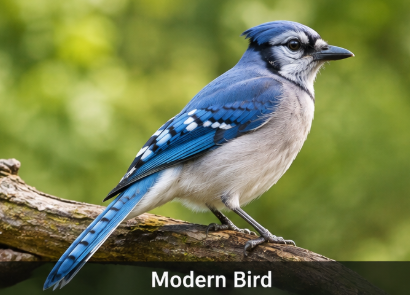
However, this does not mean that a bird is simply the same type of animal as a snake or lizard. Birds have evolved many specialized characteristics, including feathers, wings, beaks, and adaptations for flight.
So, the simplest scientific explanation is:
Birds are living descendants of dinosaurs and are part of the broader reptile evolutionary lineage.
Why Don’t Birds Look Like Reptiles If Birds Are Reptiles?
One reason people find this relationship surprising is appearance.
When most people hear the word “reptile,” they think about snakes, turtles, lizards, or crocodiles. Birds do not look much like these animals. They have feathers, wings, beaks, and a completely different body shape.
Evolution, however, does not require related animals to remain similar in appearance.
Different branches of an evolutionary family tree can develop very different characteristics over millions of years. Birds evolved specialized features that helped them survive in many environments, including adaptations associated with flight.
Their feathers are especially important. Feathers were already present in some dinosaur groups before modern birds appeared, showing that feathers did not suddenly appear only after birds evolved.
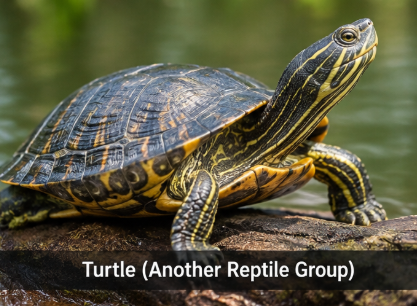
Birds Are Living Dinosaurs
One of the most important facts to understand is that birds are living dinosaurs.
Modern birds are descendants of a group of theropod dinosaurs. Their ancestors gradually developed characteristics that became increasingly bird-like over evolutionary time.
This does not mean that modern birds evolved directly from famous dinosaurs such as Tyrannosaurus rex. Instead, birds and other theropods shared ancestors within the larger dinosaur family tree.
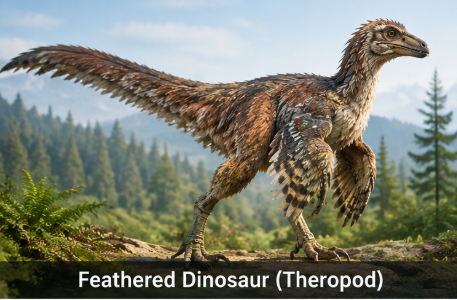
Today, every sparrow, eagle, pigeon, chicken, penguin, and other modern bird represents the surviving dinosaur lineage.
That makes birds unique among living animals.
How Did Dinosaurs Become Birds?
The evolution of birds was a gradual process rather than a single transformation.
Some theropod dinosaurs developed feathers, lightweight bodies, changes to their arms and hands, and other characteristics that eventually became important in bird evolution.
Fossils provide evidence for many stages of this evolutionary history.
Scientists have discovered feathered dinosaurs and early bird-like animals with combinations of dinosaur and bird characteristics. One famous example is Archaeopteryx, which lived during the Late Jurassic Period.
Archaeopteryx had feathers and wings but also retained several characteristics associated with non-avian dinosaurs.
These fossils help demonstrate that the boundary between early birds and their dinosaur ancestors was not as simple as the modern distinction between a bird and a lizard.
Birds and Crocodiles Are Related
Birds also have an interesting evolutionary relationship with crocodiles.
Both birds and crocodilians belong to a larger group called Archosauria. This group includes birds, crocodilians, dinosaurs, and several extinct relatives.
Today, birds and crocodilians are the only living members of the archosaur lineage.
This means that a bird and a crocodile share an evolutionary connection even though they look very different.
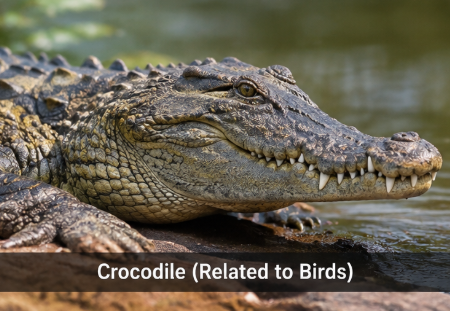
In fact, crocodiles can provide an interesting comparison when studying bird evolution because both groups belong to the same broader branch of the vertebrate family tree.
What Makes Birds Different From Other Reptiles?
Birds have many features that distinguish them from other living reptiles.
Feathers
Feathers are one of the most recognizable characteristics of birds. They provide insulation, help with communication, and play an essential role in flight for flying species.
Wings
Bird wings are modified forelimbs. Different birds have wings adapted for different purposes, including powered flight, soaring, hovering, and maneuvering.
Beaks
Modern birds have toothless beaks rather than the jaws and teeth seen in many extinct bird relatives and dinosaurs.
Beak shapes vary greatly depending on what a bird eats and how it interacts with its environment.
Lightweight Skeletons
Many birds have highly specialized skeletons that support an active lifestyle and, in flying species, help reduce unnecessary weight.
Efficient Breathing System
Birds have a highly specialized respiratory system that is different from the lungs of humans and many other vertebrates. Their respiratory adaptations help support the high energy demands of flight.
These characteristics make modern birds very distinctive even though their evolutionary history connects them with reptiles.
Are Birds More Closely Related to Crocodiles or Lizards?
Birds are more closely related to crocodilians than they are to lizards or snakes.
The reason is their position within the evolutionary tree.
Birds and crocodilians are both archosaurs, while lizards and snakes belong to other reptile branches.
This is a good example of why evolutionary relationships cannot always be understood simply by looking at an animal’s appearance.
A bird may look more different from a crocodile than it does from another animal, but its evolutionary ancestry tells us otherwise.
Are Dinosaurs Reptiles?
Dinosaurs are generally considered part of the reptile evolutionary lineage.
They were a diverse group of animals that lived for more than 160 million years before most non-avian dinosaurs disappeared during the mass extinction at the end of the Cretaceous Period.
Not all prehistoric reptiles were dinosaurs. Groups such as pterosaurs and marine reptiles had different evolutionary histories.
However, dinosaurs themselves belong to the broader reptile lineage.
Because modern birds evolved from dinosaurs, this creates the evolutionary connection between birds and reptiles.
Why Are Birds Sometimes Classified Separately?
Traditional classification systems often separate birds from reptiles.
Under this approach, birds belong to Class Aves, while reptiles are commonly represented by groups such as turtles, lizards, snakes, and crocodilians.
This classification is useful for describing major differences between living animals, but it does not always show the complete evolutionary history of a group.
Modern evolutionary classification places greater importance on common ancestry.
Under a broad evolutionary definition of Reptilia, birds are included because their ancestors and descendants belong within that lineage.
Therefore, the apparent disagreement is often about how the word “reptile” is defined, rather than about whether birds evolved from dinosaurs.
Are Chickens Reptiles?
From an evolutionary perspective, yes, chickens belong within the broader reptile lineage because chickens are birds and birds evolved from theropod dinosaurs.
In everyday classification, however, a chicken is simply classified as a bird.
The same applies to other modern birds, including:
- Eagles
- Hawks
- Owls
- Pigeons
- Sparrows
- Penguins
- Ostriches
- Ducks
- Geese
- Parrots
They are all birds, but they also belong to the surviving dinosaur lineage.
Are Birds Reptiles or Mammals?
Birds are not mammals.
Birds and mammals are two different major groups of vertebrate animals with separate evolutionary histories.
Birds are descended from theropod dinosaurs, while mammals belong to their own evolutionary lineage.
Some characteristics also clearly distinguish them. Birds have feathers and lay eggs, while mammals are characterized by features such as hair and milk production for their young.
So if the question is “Are birds reptiles or mammals?”, the evolutionary answer is that birds belong to the reptile lineage, not the mammal lineage.
What Does the Evolutionary Family Tree Look Like?
A simplified version of the relationship can be represented like this:
Reptile lineage → Archosaurs → Dinosaurs → Theropods → Birds
This is a simplified diagram rather than a complete classification system, but it helps explain the basic relationship.
The important point is that birds did not appear independently from reptiles. They evolved from a particular dinosaur lineage.
The Connection Between Feathers and Dinosaurs
Feathers are another important piece of evidence in understanding bird evolution.
For many years, feathers were strongly associated with birds. Fossil discoveries later showed that several non-avian dinosaurs also possessed feathers or feather-like structures.
This changed scientists’ understanding of dinosaur appearance and bird evolution.
Instead of imagining dinosaurs as exclusively scaly animals, researchers now know that some dinosaur groups had feathers and other bird-like features.
This makes the evolutionary transition from certain theropod dinosaurs to early birds easier to understand.
Final Answer: Are Birds Reptiles?
So, are birds reptiles?
Yes, when reptiles are defined as an evolutionary group based on common ancestry.
Birds evolved from theropod dinosaurs, and dinosaurs belong within the broader reptile lineage. Modern birds are therefore the surviving branch of the dinosaur lineage.
At the same time, birds are commonly identified separately as birds in traditional classification because they have many unique characteristics, including feathers, wings, beaks, and specialized respiratory and skeletal systems.
The easiest way to remember the relationship is:
Birds are birds, birds are dinosaurs, and dinosaurs are part of the reptile evolutionary lineage.
That is why a small modern bird sitting on a tree branch has a much closer connection to prehistoric dinosaurs—and to the broader reptile family tree—than its appearance might suggest.
Frequently Asked Questions
Are birds technically reptiles?
Yes. Under a broad evolutionary definition, birds are part of the reptile lineage because they descended from theropod dinosaurs.
Are birds dinosaurs?
Yes. Modern birds are the surviving lineage of dinosaurs and evolved from theropod dinosaurs.
Are birds related to crocodiles?
Yes. Birds and crocodilians are both members of the archosaur group and share a common evolutionary ancestry.
Did birds evolve directly from Tyrannosaurus rex?
No. Birds did not evolve directly from Tyrannosaurus rex. Birds and Tyrannosaurus were both theropod dinosaurs and shared more distant ancestors.
Are chickens reptiles?
From an evolutionary perspective, chickens belong within the broader reptile lineage because they are birds descended from theropod dinosaurs. In everyday classification, chickens are classified as birds.
Why don’t birds look like reptiles?
Birds evolved many specialized characteristics over millions of years, including feathers, wings, beaks, and adaptations for flight. Evolutionarily related animals can become very different in appearance.